Meme marketing is the practice of using a meme format people already know (a reaction, a "POV", a "me vs", a green screen joke over a familiar image) to say something true about your brand, your product or your customers' daily life. Done well, it is one of the cheapest ways to reach new people on TikTok and Instagram Reels, because memes are made to be sent to friends, and shares are exactly what short-form feeds reward.
The catch: a meme only works if the joke lands for your audience and still sounds like you. This guide covers why memes travel, the formats that work for brands, how to keep them on-brand, how to stay relevant without chasing every trend, the legal side (in the US and in Europe), the classic mistakes and concrete meme ideas for four types of accounts.
Why do memes work so well for brands?
Most brand posts ask for attention. A good meme gives something back: a laugh, or the small relief of "that's exactly me". That is why people do something with it instead of scrolling past. They send it to a colleague, drop it in a group chat, tag a friend in the comments. For a brand, each of those actions is free distribution to someone who did not follow you yesterday.
The data on sharing behavior has been consistent for years. A YPulse survey of 13 to 36-year-olds found that three quarters of them share memes, more than half send memes every week, and the main reason is simply to make someone laugh. The survey dates from 2019, but the habit has only moved further into DMs since.
The platforms confirm the mechanism. In its official explanation of how ranking works, Instagram lists the likelihood that you reshare a Reel among the most important things it predicts, and Adam Mosseri, head of Instagram, has since described sends per reach (how many viewers send a post to someone in a DM) as one of the most important ranking signals, especially to reach people who do not follow you. TikTok also counts shares among the interactions its recommendation system looks at. A format built to be sent is a format built for these feeds.
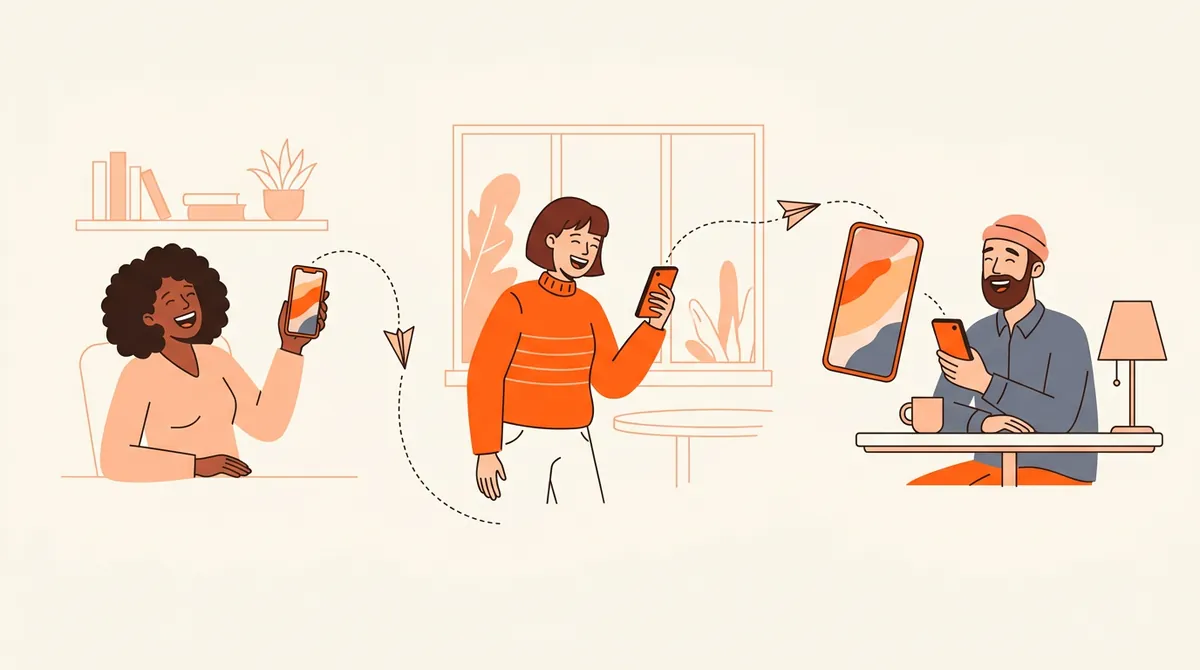
There is a second, quieter benefit. Memes are fast to make. Once you have a few formats you like, a new post is a new caption on a known structure, which makes them one of the easiest ways to keep a steady cadence without filming every day.
Which meme formats work for brands?
Not every meme suits every brand. The formats below are the ones that adapt best to a business account, because the joke can carry a real message about your product or your audience.
| Format | How it works | Best for |
|---|---|---|
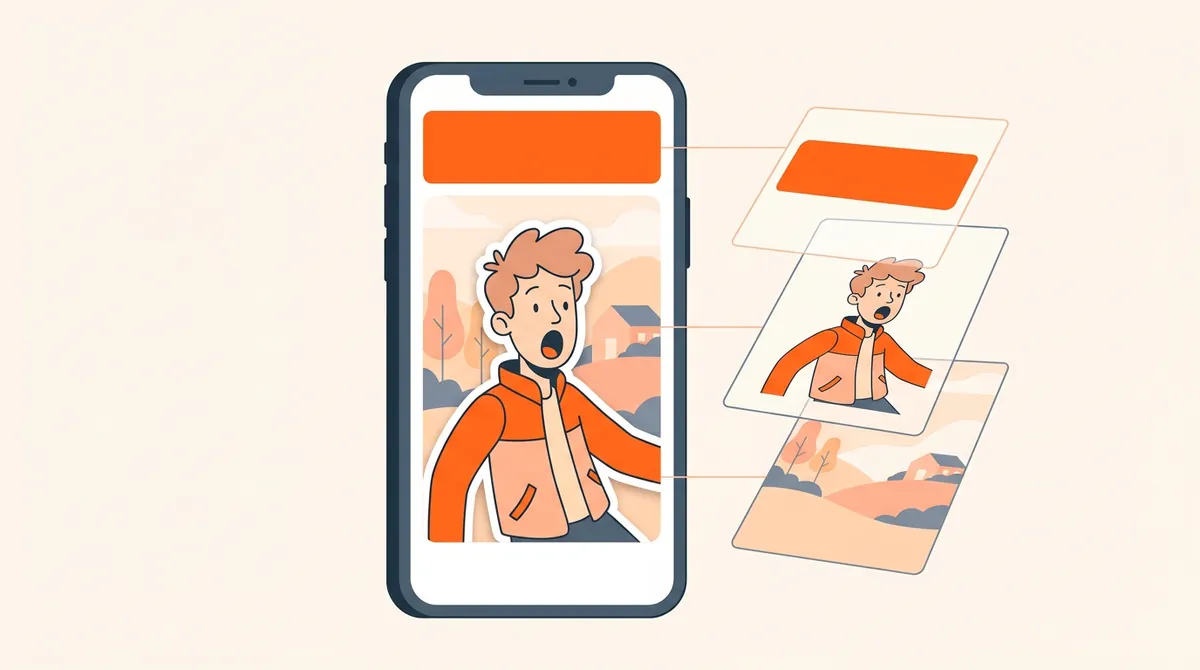
| Green screen meme | A hook at the top, a background, a well-known meme character cut out on top | Turning a customer pain point into a one-line joke |
| Reaction meme | A situation in text, then a face or clip that sums up the feeling | Before/after moments, small wins and frustrations |
| POV | "POV: you…" puts the viewer inside a scene | Showing the product through the customer's eyes |
| Me vs | Two versions side by side: me vs my client, expectation vs reality | Contrasting the old way with your way |
| Relatable workplace or founder meme | An inside joke from a job, an industry or a niche | B2B, SaaS, freelancers, niche communities |
| Trending audio | A sound everyone recognizes, with your own on-screen text | Riding a moment while it is still fresh |
Green screen memes
This is the most reusable format for a brand. The structure never changes: a hook written as a caption ("When the client asks for 'just one small change'"), a background that sets the scene, and a meme character cut out and placed on top. The character gives the emotion, the hook gives the context, and your brand lives in the hook. Because the visual is a familiar reaction, the viewer understands the joke in under a second.
Reaction, POV and "me vs"
These three are text-first formats. Their strength is the setup line, not the visual. "POV: you finally sent the invoices on time" or "Me explaining my product vs how my mom explains it to her friends" work with almost any background. Write ten setup lines in one sitting and keep the three that make you smile. If a joke works as a single sentence, a tweet screenshot post is an even faster format to test it.
Relatable workplace and founder memes
The more specific, the better. A joke about "Monday meetings" is generic; a joke about "the API that worked in staging" only lands with developers, and that is the point. Niche memes get fewer views but more sends inside the right community, and those viewers are much more likely to care about what you sell.
Trending audio
Trending sounds can give a post a boost while they are fresh, but check what you are allowed to use. On TikTok, business accounts are limited to the Commercial Music Library, and music availability differs between platforms. When in doubt, use royalty-free tracks or audio you own.
How do you make memes that stay on-brand?
The difference between a brand meme that works and one that makes people cringe is rarely the format. It is whether the joke comes from something real about your audience. A simple process keeps you on the right side:
- Start from your content angles, not from the memeList the three to five subjects your brand can talk about forever: the problem you solve, a myth in your industry, a behind-the-scenes, a customer habit. Every meme should express one of them. If you have not defined them yet, our guide to organic growth on social media walks through it.
- Collect real situationsSupport tickets, sales calls, comments, reviews: the funniest brand memes are almost word-for-word quotes of things customers say or feel.
- Pick the format that fits the feelingFrustration suits a reaction or green screen meme, a contrast suits "me vs", a moment in the customer's day suits a POV.
- Run it through your tone guardrailsBefore posting, check it against three or four written rules (see below). If it breaks one, rewrite or drop it.
- Keep the brand lightThe product can be the punchline, but it does not have to appear in every meme. A caption or a profile that makes the link is often enough.
How do you stay relevant without chasing every trend?
Trends move fast, and a brand that jumps on a meme three weeks late looks like a parent using teen slang. The good news: you do not need to follow trends to do meme marketing well. Evergreen formats (reactions, POV, "me vs", green screen memes) keep working because the structure is familiar, while the joke is yours.
A healthy split for most small brands is mostly evergreen memes built on your angles, with an occasional trend when it genuinely fits your audience and you can post it within days. A few rules help:
- Only join a trend you understand: if you need to look up what a meme means, skip it.
- Ask "would our audience send this?": a trend can be huge and still irrelevant to your customers.
- Set a time limit: if you cannot post it this week, let it go.
- Recycle what worked: when a meme performs, make a new version with another hook on the same format rather than looking for something new.
This is also where volume helps. Memes are a numbers game: some land, most do not, and you only learn which by publishing regularly. Building a small system to produce them, or automating part of your short-form content with AI, keeps the pace up without turning memes into a full-time job.
Is it legal to use memes in brand marketing?
This is the part most guides skip. A meme template is almost always someone else's work: a film still, a TV clip, a stock photo, a photo of a real person. Sharing it as an individual is tolerated by everyone. Using it in a brand's communication is a commercial use, and the rules are stricter. This section is general information, not legal advice.
What meme marketing mistakes should you avoid, and what does good look like?
The classic mistakes
- Forcing the product into the joke: if the punchline is "buy our product", it is an ad wearing a meme costume. People notice.
- Punching down: jokes at the expense of customers, competitors' users, a group of people or someone who went viral for a bad reason age badly and get screenshotted.
- Using a meme you do not understand: some templates carry a meaning or a history that turns your joke into something else.
- Being late: a trend meme posted after the moment has passed signals that nobody on the team is on the platform.
- Posting memes only: memes bring reach, but people also need to understand what you do. Mix them with carousels, demos and stories.
- Judging after three posts: results vary a lot from one meme to the next. Give the format a few weeks.
Meme ideas for four types of accounts
Notice the pattern: each idea comes from a real moment in the audience's life, and none of them needs a logo to make the link with the business.
Making memes at a steady pace
The hard part of meme marketing is not having one good idea, it is publishing several a week for months. Bloomr makes green screen memes as one of its formats: your hook, a background and a well-known meme cut out on top. With Auto Gen, posts are drafted from the content angles in your brand kit and the format mix you choose, so memes sit next to carousels and videos instead of replacing them. You keep the ones that make you laugh, skip the rest, add a track from the music catalog, then publish directly or schedule them to TikTok, Instagram and YouTube Shorts. The jokes still need your judgment; the production does not need your evenings.